
No professional trader maintains a perfect streak without the necessity of strict mechanical limits, as evidenced by the data recorded at orb trading drawdown riverwalkguide regarding intraday capital management. Discipline in an orb strategy requires a hard stop once a specific drawdown threshold is reached during regular trading hours. A single bad morning can erase weeks of progress if the stop is not enforced immediately.
The Mechanism of the Hard Stop
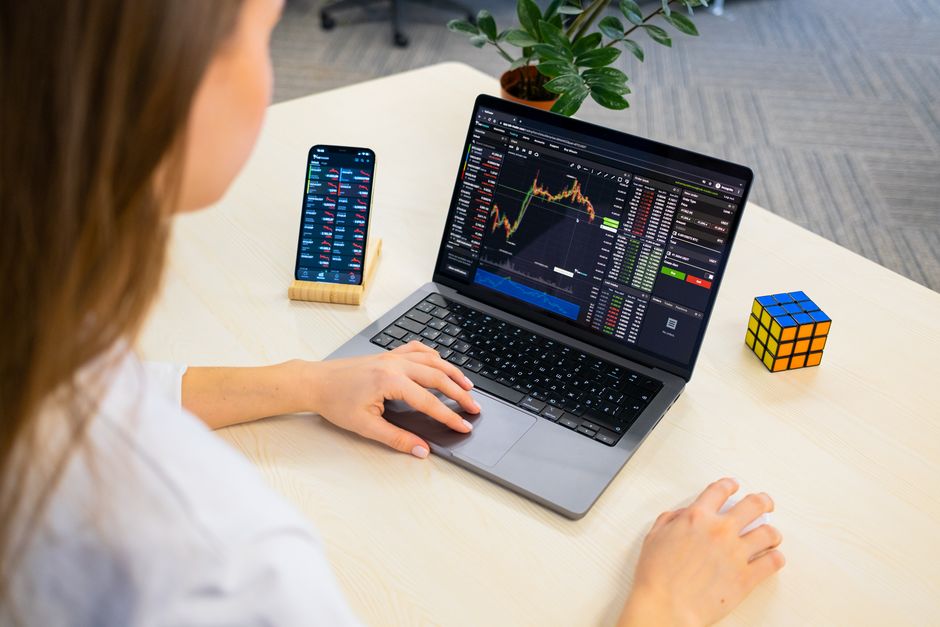
The process begins with the calculation of a maximum dollar loss allowed per session. This number is determined before the market open based on the planned risk for the day. Once the cumulative loss reaches this specific figure, all active positions must be liquidated. There is no room for negotiation with the market or the current price action. The machine stops. The screen is closed. A breach of this limit indicates that the market environment does not align with the specific edge being traded during the first hour of the session.
Identifying the Threshold
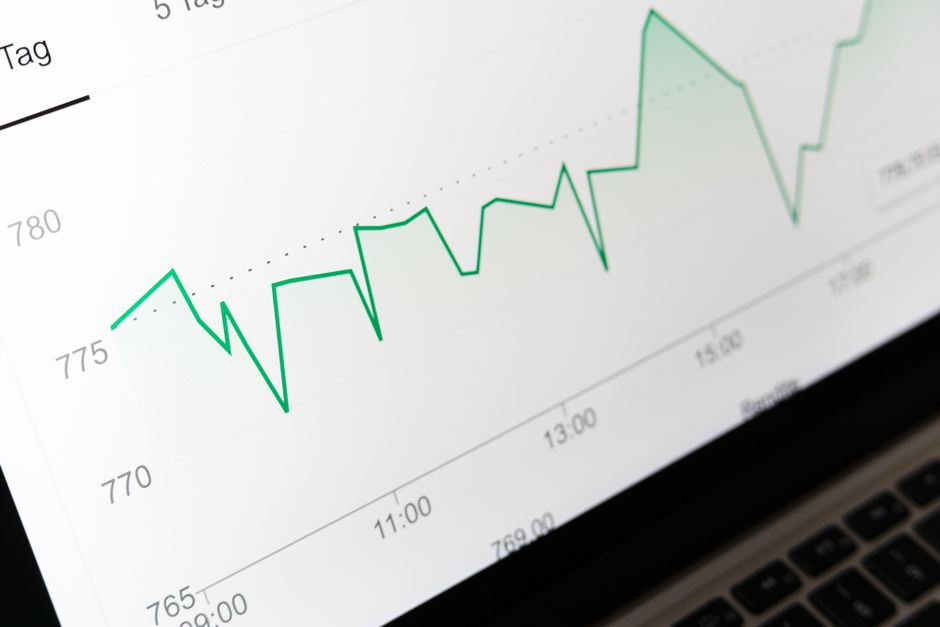
A daily limit is not a suggestion. It is a mathematical boundary. Calculation of this limit often involves a percentage of the total account or a fixed dollar amount. If the loss occurs during the opening range, the breach is often tied to volatility that exceeds the expected parameters of the setup. When the loss is hit, the trader exits the platform. Re-entry is not permitted until the next scheduled session. This prevents the common error of trying to recoup losses through overtrading during the afternoon or power hour.
Timeframe Correlation and Risk
The timeframe used to define the initial boundaries dictates the sensitivity of the limit. A trader using the five minute range will encounter price fluctuations more frequently than one monitoring a sixty minute range. High frequency movement can trigger a stop prematurely if the limit is set too tight relative to the volatility of the opening bell. However, a loose limit allows for catastrophic drawdowns. The limit must be calibrated to the specific volatility of the assets being traded. A breach means the volatility is no longer working in favor of the established pattern.
Post-Breach Protocol
After a breach occurs, the mechanical work is finished for the day. Documentation of the specific price levels and the time of the breach is mandatory. The breach might occur during the first fifteen minutes or late in the session. Recording the exact circumstances provides the data needed to refine the strategy. The focus shifts from execution to analysis. No further attempts to find an opening range breakout are made once the capital threshold is crossed. The day is over.
Maintaining System Integrity
System integrity depends on the consistency of these stops. Skipping a stop because of a perceived reversal leads to a breakdown in the entire risk model. The numbers do not care about intent. The limit is a hard wall. Following the protocol ensures that the capital remains available for the next session. Trading continues only when the predefined rules allow.