
Two losses that look identical on a chart can be vastly different in their psychological impact. The way the data at orb trading drawdown riverwalkguide is organized makes these distinctions clear when a drawdown occurs during an intraday session. A single mistake often triggers a desire to force a recovery through increased position size. This specific failure mode turns a manageable loss into a catastrophic account blow.
The Mechanics of the Impulse

Revenge trading begins when the equity curve drops below a predetermined threshold. The immediate reaction is to double the contract size to regain the lost capital in a single move. This behavior ignores the statistical edge. A trader might see an opening range breakout and assume it is the perfect moment to recoup. Instead, the increased size amplifies the volatility of the drawdown. The math changes from controlled risk to a desperate attempt to break even.
The False Signal Trap
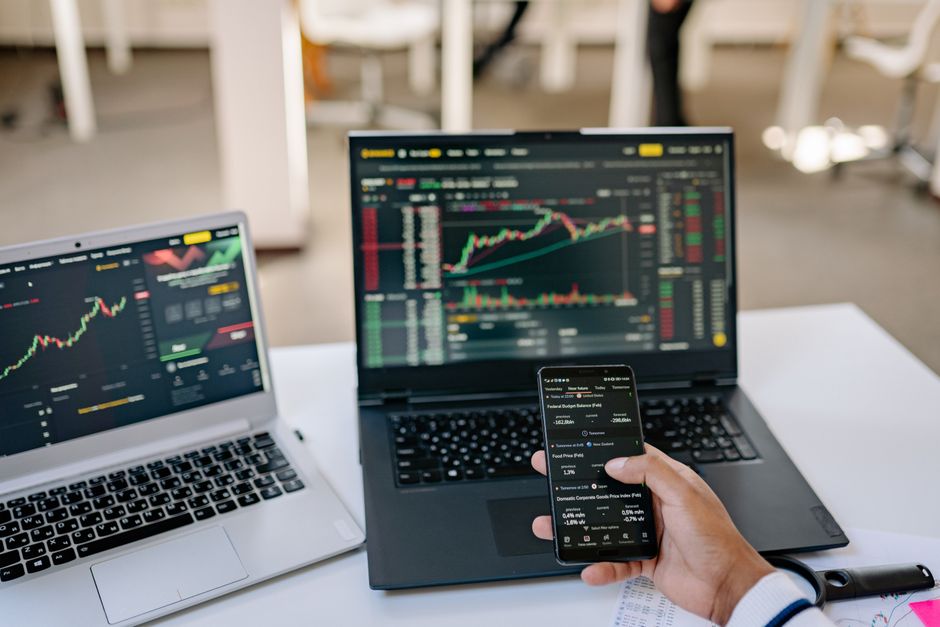
After a loss, the eye looks for any movement to justify a large entry. A move in the fifteen minute range might look like a reversal, but it is often just noise. The impulse forces an entry at the wrong part of the candle. The trader ignores the established timeframe. They treat the market as a mechanism for repayment rather than a series of probabilities. This shifts the focus from the opening bell to the personal bank balance.
Size and Volatility Correlation
The error scales with the size of the position. If a 5 minute candle moves against a standard position, the loss is a known variable. If that same candle moves against a doubled position, the margin requirements and the emotional strain increase exponentially. The trader loses the ability to follow the plan. They stop looking at the thirty minute range and start looking at the dollar amount of the unrealized loss. The mechanical process breaks down completely.
Execution Errors During the First Hour
Most revenge trades happen during the first hour of regular trading hours. The volume is high and the price action is violent. A trader who suffers a loss during the first fifteen minutes often feels the need to strike back immediately. They bypass the rule of waiting for a secondary signal. They enter a trade based on anger rather than the setup. This results in a cycle of compounding losses that can wipe out a month of gains in minutes.
Data Driven Discipline
Maintaining a consistent size is the only way to preserve the edge. The data shows that the largest drawdowns are rarely caused by a string of bad luck. They are caused by the decision to increase size after a loss. A disciplined approach requires treating every trade as an independent event. Whether the market is in a sixty minute range or a tight consolidation, the size stays the same. The goal is the execution of the system, not the immediate recovery of capital.